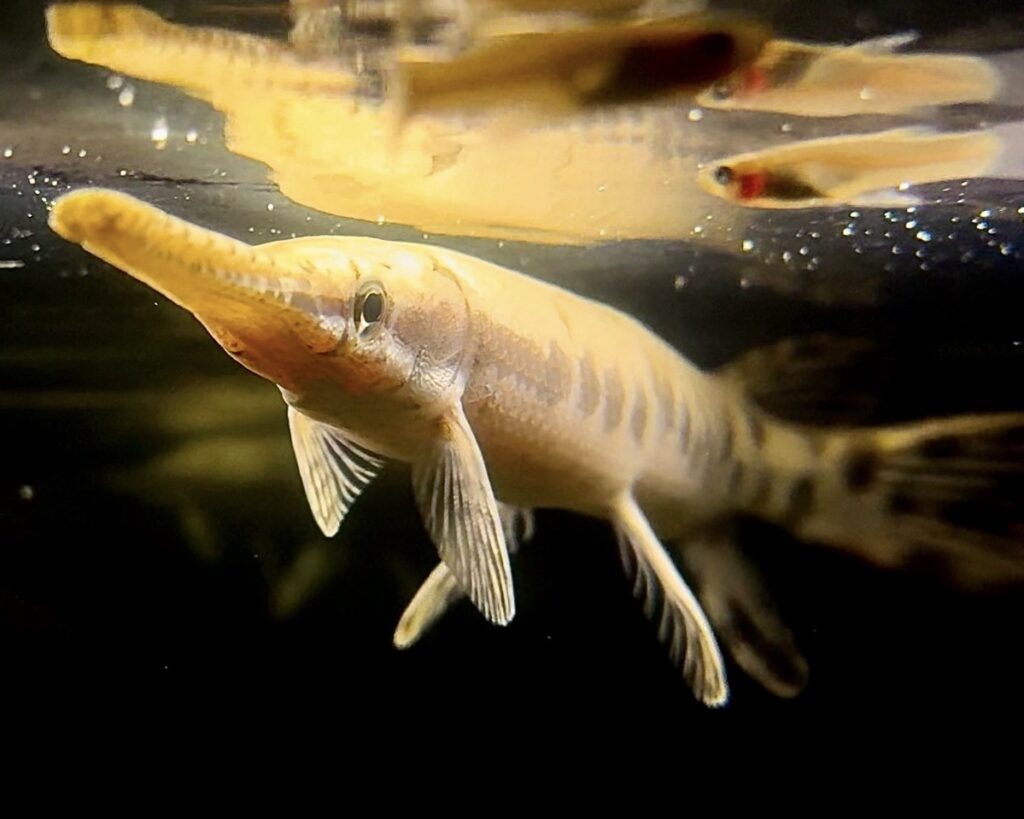
Most people look at this fish as being nothing more than a “trash fish” but this couldn’t be further from the truth. Along with being a healthy addition to their aquatic ecosystem and fun to catch among plenty of other good attributes, the long nose gar actually makes for an awesome pet fish.
One of the great things about keeping a longnose gar as a pet is how easy it is to care for them. But they still do require “care” so let’s go over a few things. My experience is with baby or young fish so that’s what I will focus on in this post.
1. Tank Size
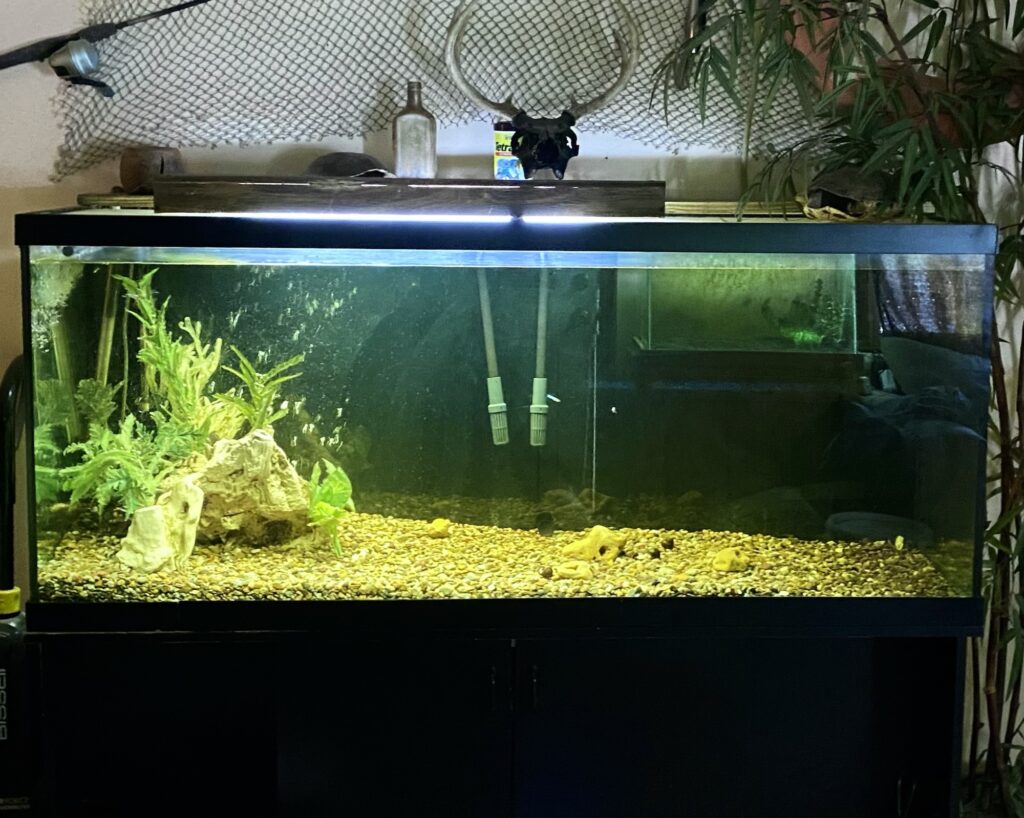
One of the biggest issues you’ll run into with keeping a longnose gar or any large species of fish is going to be the tank size. The tank I use for my 12” inch baby gar is 150 gallons which is a little big for the size he is now but he will grow into it.
The general rule of thumb for getting the proper aquarium size is 1 gallon of water for every 1 inch of fish. Which in many cases including this one, is wrong.
The problem is that a 48-inch gar in a 48-gallon tank technically meets that rule, but the fish would barely even fit in the tank let alone be able to move.
Aquarium Width
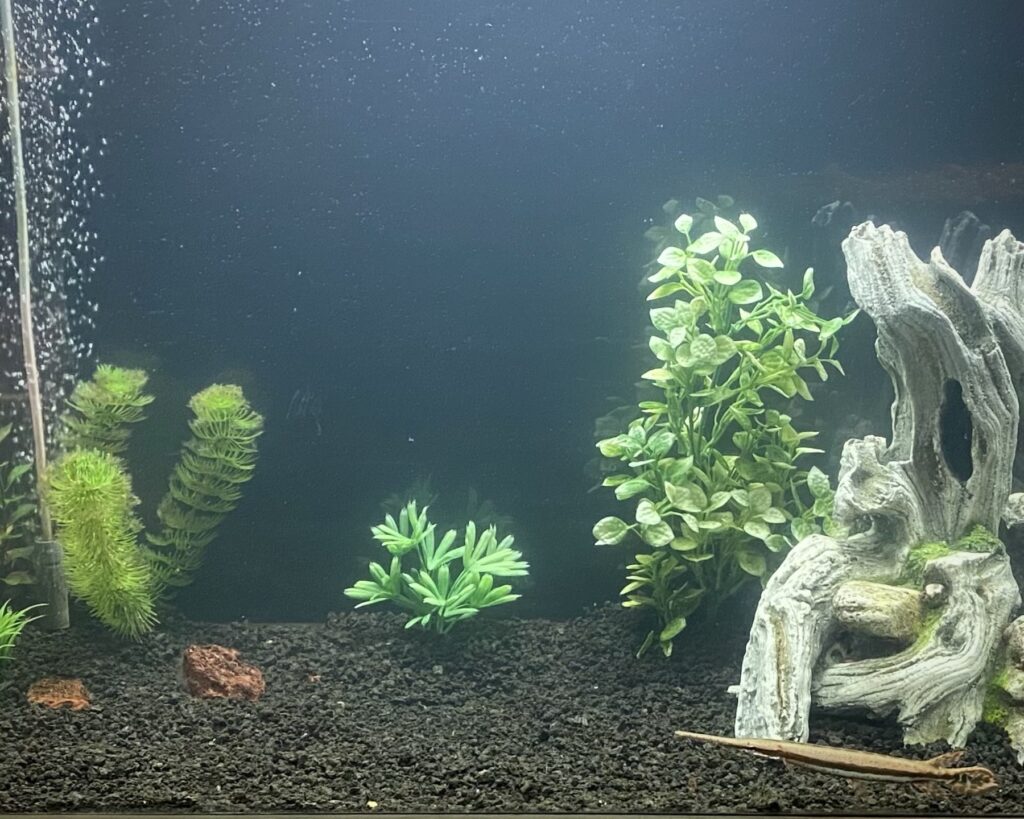
In my opinion the tanks width (front to back) should be at least 2x the fishes length so there is more than enough room for it to turn around and maneuver.
Now don’t go try to use this with a guppy. You might end up only needing a 2 inch wide tank which would obviously not be very feasible.
In my case, for example. My fish is 12 inches long so my tank is 24” inches wide which is plenty of room for him.
Aquarium Length
The length can be anything at or above the width mentioned above. So in my case with a 12” fish, a tank that is 24” x 24” would be adequate.
However most commercially sold aquariums are not squares so you might need to search around for one that will fit the space you have and also the size required for the fish.
The size tank I have is 60” x 24” x 24” which is 150 gallons just to give some context.
Aquarium Height
I don’t feel like the height really matters a whole lot. Most of the time my longnose sits at the top of the water and only occasionally will swim to the bottom.
2. Water Conditioners
Longnose gar can survive in a variety of water conditions, including low oxygen levels and brackish water. Longnose gar have a primitive swim bladder that they can use as a lung to breathe air, allowing them to survive in waters with low dissolved oxygen. They can also gulp air at the surface of the water to supplement the oxygen they take in through their gills.
Water Aerator
Even with their phenomenal ability to survive in low oxygen environments they will thrive in well oxygenated water. So definitely get a bubbler.
PH and Hardness
Just like with their ability to survive low oxygen water, they also aren’t too picky when it comes to ph or hardness. Sticking to about the normal range, a ph of about 7 and water hardness of 0-60 mg/l which is considered “soft water” should be perfectly fine.
Water Temperature
If your gar was wild caught then I would try to match the temperature of the water it came from. But in general a water temperature of 70 to 80 degrees should be ideal. Just remember fish are cold blooded so colder water temps with slow down their metabolism and make them less active and the opposite for warmer temps.
3. Longnose Gar Diet
Longnose are usually not picky eaters and this aids in making them an easy to care for fish but what they will do best with is going to be other fish. The same as you would feed something like an Oscar.
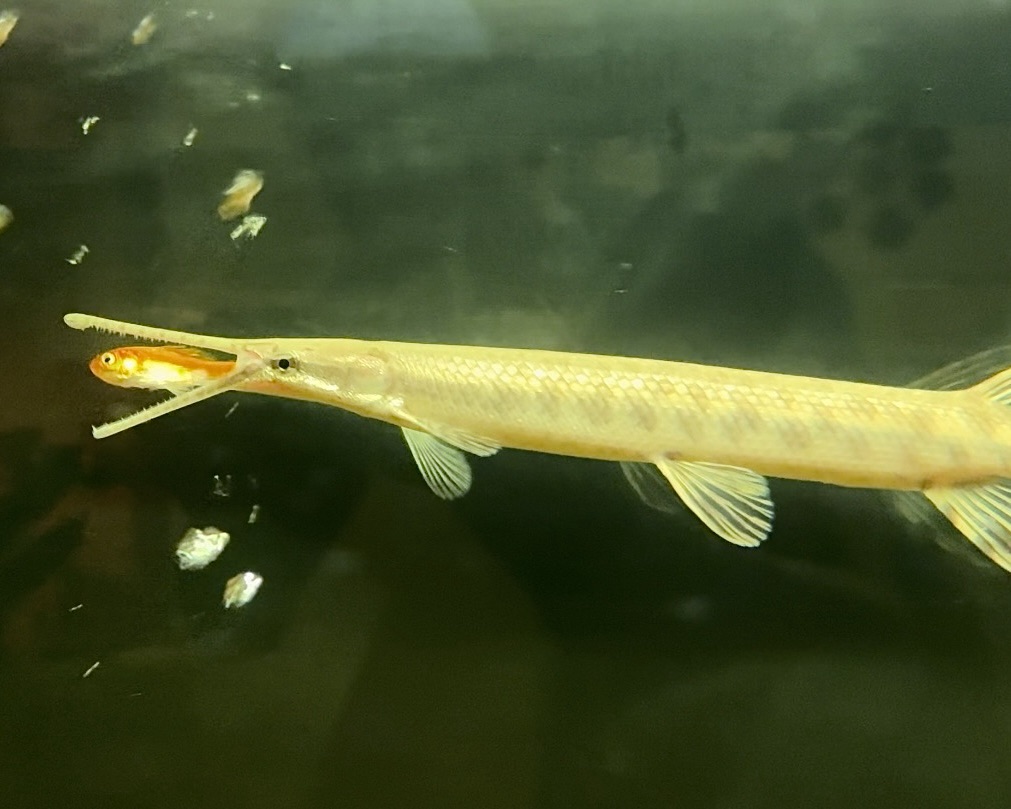
Feeder Fish
What I do is go to a local ditch and scoop out a bunch of mosquito fish. 20 to 30 of them will last about a week for me. If I’m not able to get to the ditch my local pet store sells rosy minnows which he loves as well.
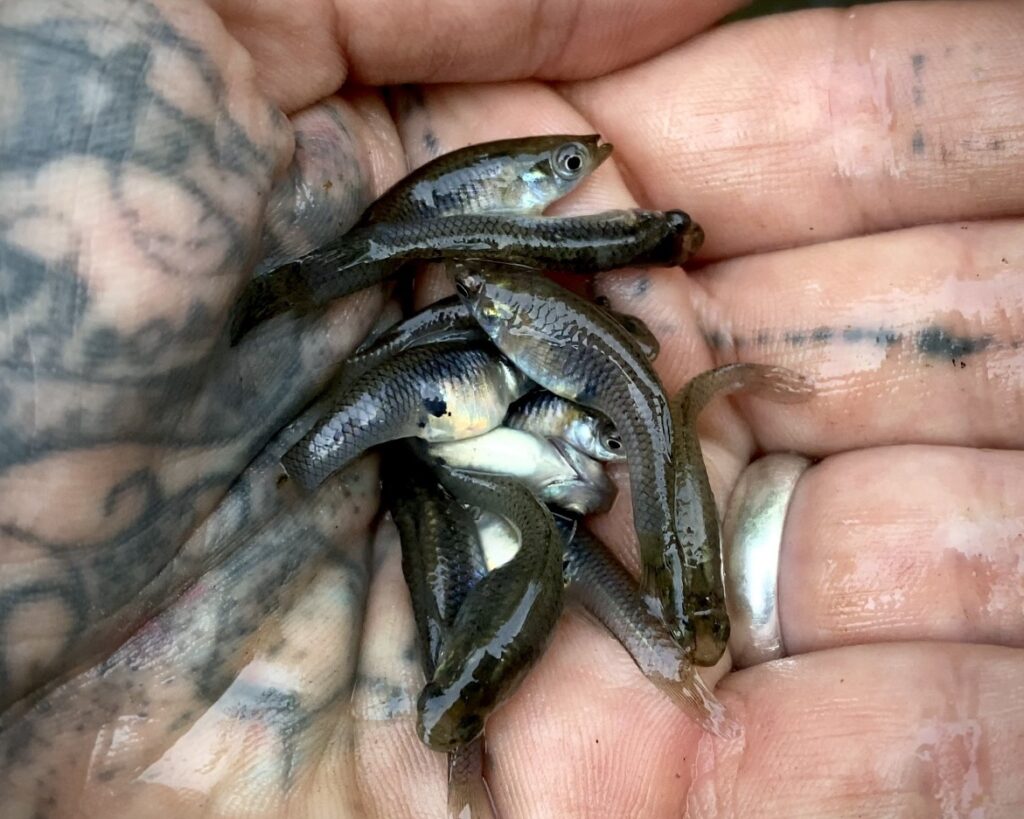
Crawfish
My gar also loves crawfish! If I can catch them the right size for him to eat. Also it depends on the time of year because they are harder to find in some parts of the year compared to others. But if I happen to catch them while scooping for minnows, I’ll feed them to him as well.
Pellets
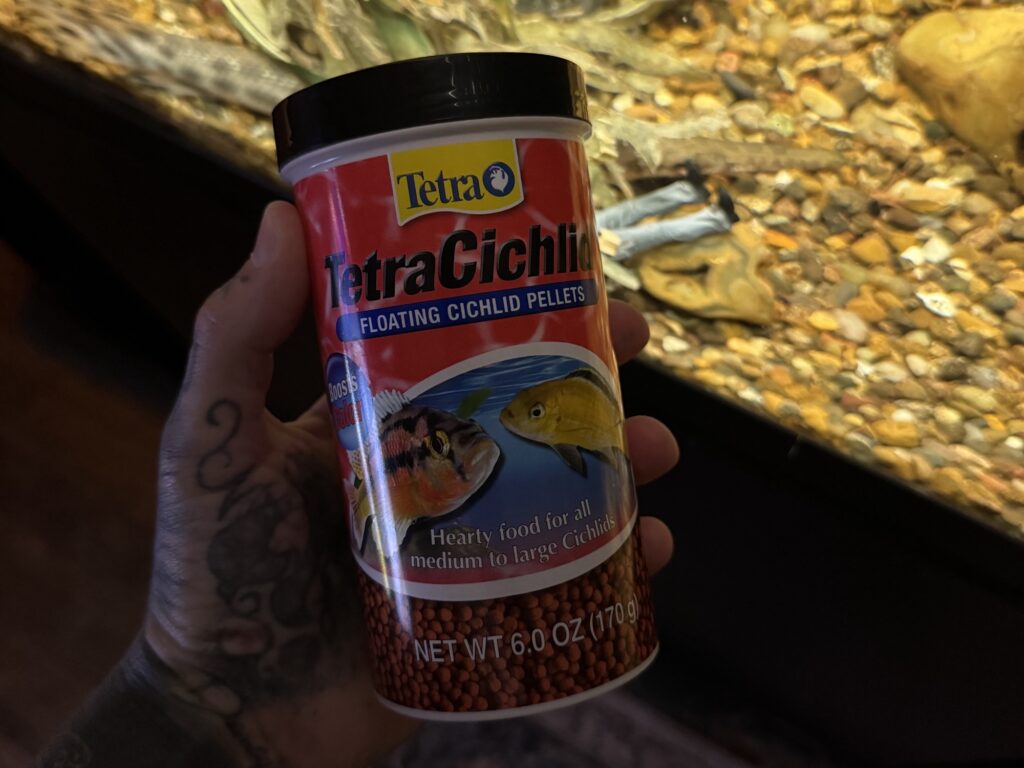
Surprisingly my gar will readily eat these cichlid floating pellets. I wouldn’t rely on these though. They are a good supplement and can be added to their diet if you’re having a hard time finding food. Wild caught fish may not eat them but it’s worth a shot for convenience.
What doesn’t work
I’ve also tried feeding him what I normally use for bait when fishing for gar and he is absolutely not interested. I’ve tried cutbait as well as clean cut fillet pieces and even night crawlers. He will investigate the offering and sometime even take a bite but then decides he isn’t interested and turns away from it. Maybe you could have a different experience but for my situation, he only wants live fish mainly.
4. Age & Size
This fish is basically a modern day dinosaur you better be prepared for a long term relationship with this fish because it could possibly outlive you!
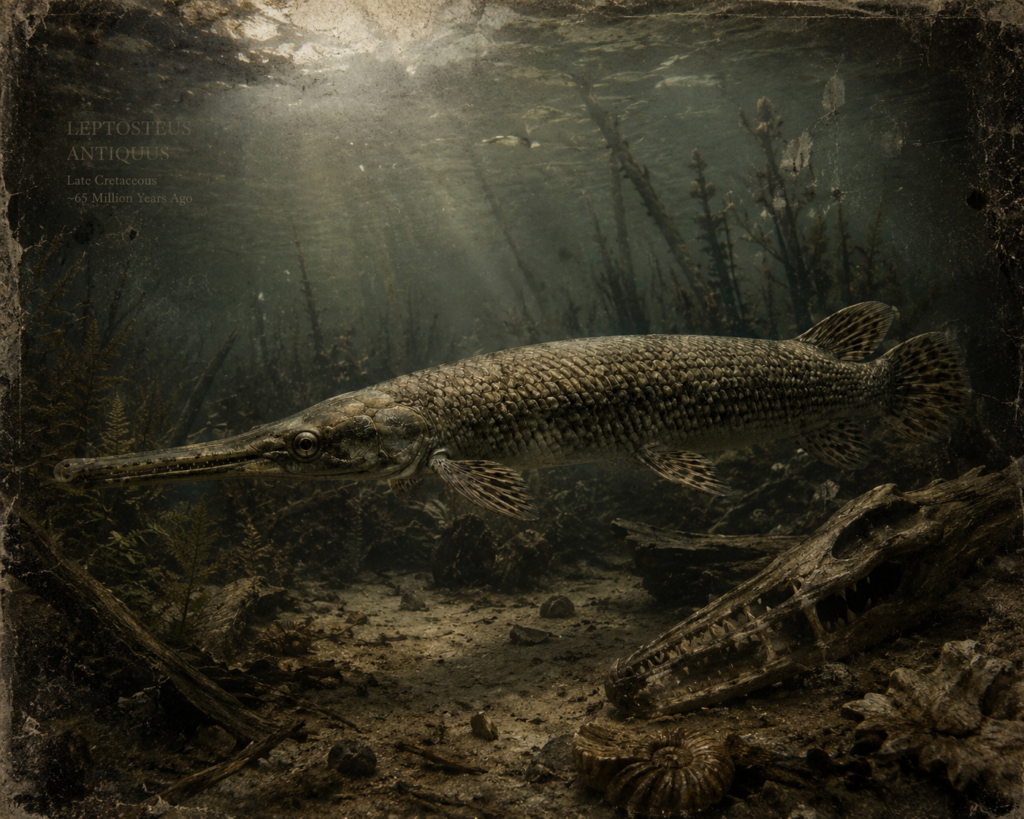
Ok well outlive is up for debate but in captivity they have been known to easily live 20 – 30 years and some exceptional cases all the way to 40, with proper care of course.
Size
Keep in mind with age comes size and these guys are no joke when it comes to size with adults easily reaching 4 – 6 feet.
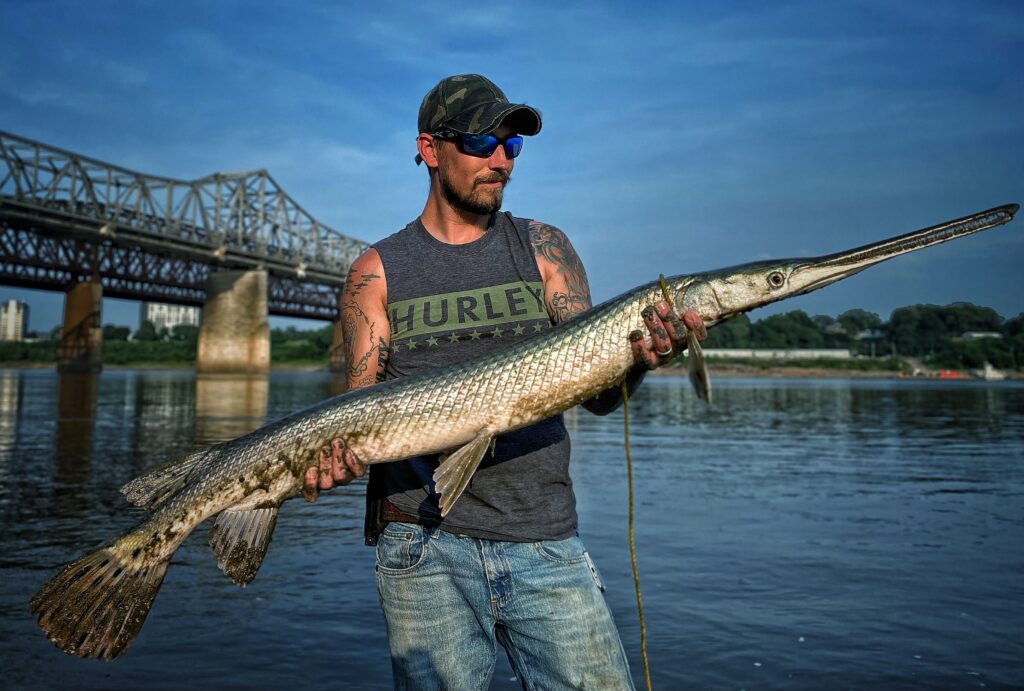
In my experience, growth rate can be influenced by available space and overall conditions, but you should still plan for the possibility of a very large fish. But you still need to keep in mind that eventually you could possibly need to upgrade their habit to a pond or you may have to consider rehoming.
Final Thoughts
Keeping a longnose gar as a pet isn’t for everyone. They require a large aquarium, plenty of food, and a long-term commitment. However, if you have the space and are willing to provide proper care, they can be one of the most interesting and rewarding freshwater fish you can keep. Mine has quickly become my favorite fish, and I look forward to watching him grow for years to come.